

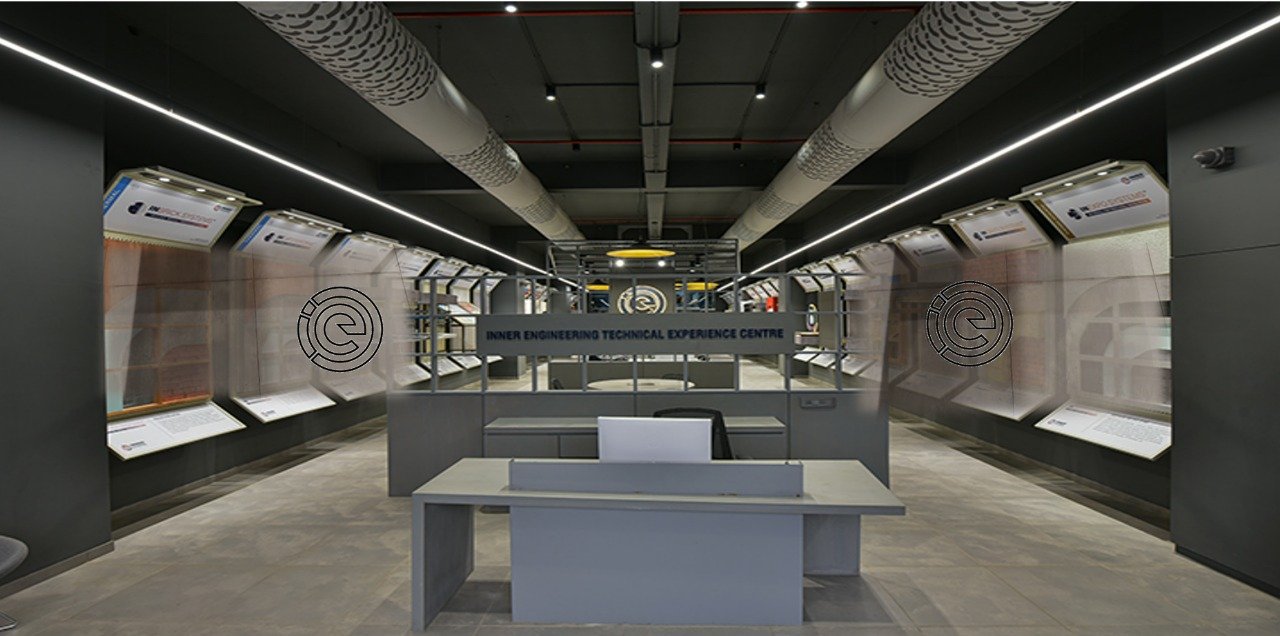
Understanding Industrial Insulation in Modern Industries
Industrial Insulation is an essential element in manufacturing plants, refineries, and processing facilities. It is used to control heat transfer, improve safety, and enhance operational efficiency.
In India, where industries operate in diverse environmental conditions, Industrial Insulation plays a critical role in maintaining process stability and reducing energy consumption.
What Is Industrial Insulation?
Industrial Insulation refers to insulation systems applied to equipment, pipelines, vessels, and ducts in industrial environments. Its primary purpose is to reduce heat loss or gain and maintain process temperatures.
By controlling heat transfer, Industrial Insulation helps improve system performance and reduce energy wastage.
How Industrial Insulation Works
Industrial systems operate at varying temperatures, from extremely hot to very cold. Industrial Insulation works by slowing down heat transfer through conduction, convection, and radiation.
This helps:
- Mineral Wool – High-temperature applications
- Calcium Silicate – Industrial piping and equipment
- Ceramic Fibre – Extreme temperature conditions
- Elastomeric Foam – HVAC and low-temperature systems
Each of these Industrial Insulation Materials is selected based on performance, durability, and environmental conditions.
Applications of Industrial Insulation
Industrial Insulation is widely used across sectors:
1. Power Plants
Insulation of boilers, steam lines, and turbines.
2. Refineries & Chemical Plants
Temperature control for pipelines and reactors.
3. Pharmaceutical & Food Industry
Maintains controlled environments and process efficiency.
4. HVAC Systems
Used in large-scale industrial cooling and heating systems.
Benefits of Industrial Insulation
Proper Industrial Insulation offers multiple benefits:
- Reduces energy consumption
- Improves process efficiency
- Enhances safety
- Protects equipment
- Reduces operational costs
Using the right Industrial Insulation Materials ensures long-term performance and reliability.
Importance of Proper Design and Installation
The effectiveness of Industrial Insulation depends on proper design, material selection, and installation practices. Incorrect installation can lead to energy loss and system inefficiencies.
Careful planning ensures that insulation systems perform optimally over time.
Conclusion
Industrial Insulation is a key factor in efficient industrial operations. It supports energy efficiency, improves safety, and enhances system performance. Understanding the role of Industrial Insulation Materials helps industries make informed decisions for sustainable and reliable operations.