

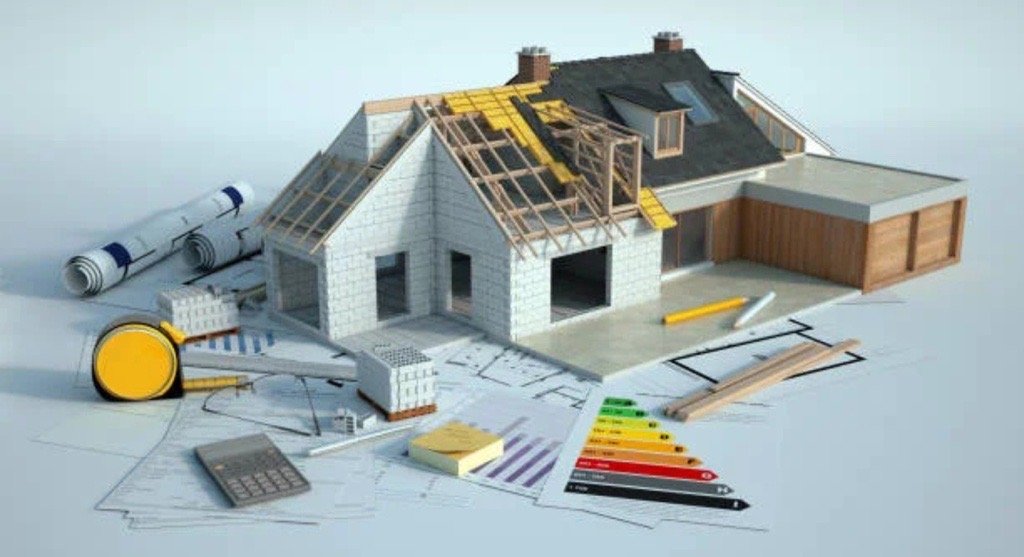
Thermal insulation is one of the most important elements in modern construction and industrial design. It plays a key role in controlling heat transfer, improving indoor comfort, and reducing energy consumption in buildings and systems. In a country like India, where climatic conditions vary widely across regions, thermal insulation becomes essential for maintaining stable indoor environments.
This article explains what thermal insulation is, why it is important, how it works, and where it is commonly used.
What Is Thermal Insulation?
Thermal insulation refers to materials or systems used to reduce the transfer of heat between two areas with different temperatures. It works by slowing down heat flow, helping maintain desired temperatures inside a space regardless of external conditions.
In buildings, thermal insulation helps keep interiors cooler during hot summers and warmer during colder months. In industrial and HVAC applications, it helps maintain process temperatures and reduces energy loss. Proper thermal insulation contributes directly to energy efficiency and comfort.
How Thermal Insulation Works
Heat transfer occurs through three main mechanisms: conduction, convection, and radiation. Thermal insulation materials are designed to limit these forms of heat transfer by trapping air, reducing conductivity, and reflecting radiant heat where required.
By limiting unwanted heat gain or loss, thermal insulation reduces the load on heating and cooling systems. This not only improves comfort but also helps lower electricity consumption, which is particularly important in energy-intensive climates like India.
Common Types of Thermal Insulation Materials
Different applications require different insulation materials based on temperature range, location, and performance needs. Commonly used insulation materials include:
- Mineral wool and glass wool
- Elastomeric foam insulation
- Rigid boards such as XPS or PIR
- Natural and composite insulation systems
Each insulation material has specific properties such as thermal resistance, moisture behaviour, durability, and fire performance. Selecting the right material depends on whether the application is residential, commercial, industrial, or specialized.
Applications of Thermal Insulation in India
Thermal insulation is widely used across various sectors in India, including:
Residential Buildings
In homes, insulation is applied to roofs, walls, and ceilings to reduce heat gain and improve indoor comfort. This is especially useful in regions with extreme summer temperatures.
Commercial Buildings
Offices, hospitals, hotels, and educational institutions use thermal insulation to maintain comfortable indoor environments and reduce operating costs associated with air conditioning.
Industrial
Factories, plants, and HVAC systems rely on thermal insulation to control process temperatures, reduce energy losses, and protect equipment. Proper insulation also enhances safety and system efficiency.
Importance of Thermal Insulation for Energy Efficiency
One of the biggest advantages of thermal insulation is its contribution to energy efficiency. By reducing the need for excessive cooling or heating, insulation helps lower energy demand and operational costs over the life of a building.
In India, where energy consumption in buildings is steadily increasing, thermal insulation plays a critical role in supporting sustainable construction practices and reducing environmental impact.
Role of Thermal Insulation Services
While insulation materials are important, proper design and installation are equally crucial. Thermal Insulation Services focus on evaluating application requirements, selecting suitable materials, and ensuring correct installation practices.
Professional Thermal Insulation Services help ensure that insulation systems perform as intended, minimize thermal bridges, and maintain long-term efficiency. These services are particularly important in complex applications such as industrial plants, HVAC systems, and large commercial buildings.
Maintenance and Long-Term Performance
The effectiveness of thermal insulation depends on proper installation and long-term maintenance. Moisture control, physical protection, and correct detailing ensure that insulation continues to perform efficiently over time.
Regular inspections and timely repairs help maintain insulation performance and prevent energy losses due to damage or degradation.
Conclusion
Thermal insulation is a fundamental component of modern construction and industrial systems. It improves comfort, enhances energy efficiency, and supports sustainable development. Understanding how thermal insulation works, where it is used, and the importance of professional Thermal Insulation Services helps in making informed decisions for long-lasting and efficient buildings.