

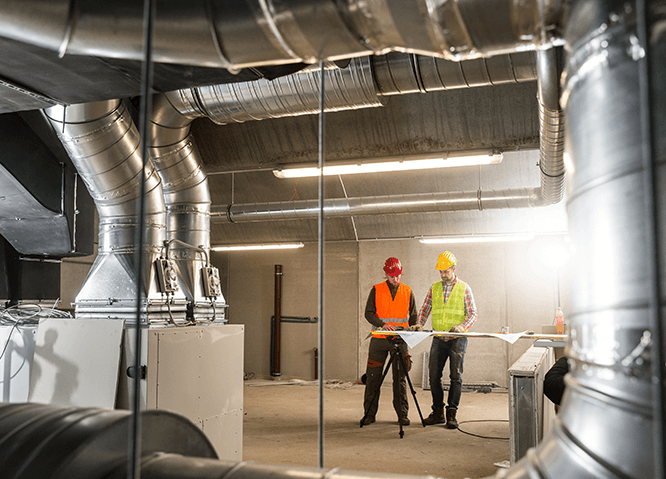
Heating, Ventilation, and Air Conditioning systems play a vital role in maintaining indoor comfort in residential, commercial, and industrial buildings. However, the performance and efficiency of these systems depend greatly on how well they are insulated. HVAC Insulation is used to reduce energy loss, control temperature, and improve overall system efficiency.
In a country like India, where temperature and humidity levels vary widely across regions, insulation for HVAC systems is not just beneficial but essential.
Understanding HVAC Insulation
HVAC Insulation refers to the application of insulation materials on HVAC components such as air ducts, chilled water pipes, hot water lines, and air handling units. The primary purpose of this insulation is to minimize heat gain or loss during air distribution and fluid transportation.
By insulating HVAC systems, unwanted temperature changes are reduced, which helps maintain consistent indoor conditions. HVAC Insulation also plays a role in preventing condensation, improving acoustic comfort, and reducing operational energy consumption.
Why HVAC Insulation Is Important
One of the main reasons HVAC systems lose efficiency is due to uninsulated or poorly insulated ducts and pipes. When air or fluids travel through long distribution networks, energy loss can be significant without proper insulation.
HVAC Insulation helps in:
- Maintaining desired air and fluid temperatures
- Reducing load on cooling and heating equipment
- Preventing condensation and moisture-related damage
- Improving overall system lifespan
In Indian climatic conditions, especially in coastal and high-humidity regions, insulation also helps control condensation, which can otherwise lead to corrosion, mould growth, and system failure.
Types of Materials Used in HVAC Systems
Different insulation materials are used depending on system temperature, location, and application. These materials are selected based on thermal resistance, moisture behaviour, and durability.
Common insulation materials include elastomeric foam, mineral wool, rigid boards, and composite systems. The choice of material depends on whether the system handles chilled water, hot water, or air distribution.
Inner Insulation solutions are often designed to address multiple performance needs such as thermal control, condensation prevention, and noise reduction within HVAC systems.
Applications of HVAC Insulation
HVAC Insulation is widely used across various building types and sectors in India.
Residential Buildings
In homes and apartments, HVAC insulation helps improve comfort by ensuring conditioned air reaches living spaces without excessive temperature loss.
Commercial Buildings
Offices, hospitals, hotels, and malls rely heavily on insulated HVAC systems to maintain consistent indoor environments while controlling energy costs.
Industrial Facilities
Factories, cleanrooms, and process plants require precise temperature control. Insulated HVAC systems help maintain operational stability and protect sensitive processes.
Energy Efficiency and Sustainability
One of the major benefits of HVAC Insulation is improved energy efficiency. By reducing heat transfer, insulation lowers the demand on HVAC equipment, resulting in reduced power consumption.
In the Indian context, where electricity usage for cooling is rising steadily, insulation helps reduce peak energy loads and supports sustainable building practices. Efficient HVAC systems also contribute to long-term operational cost savings.
Design and Installation Considerations
The performance of HVAC insulation depends not only on material selection but also on correct installation. Proper thickness, joint sealing, vapour barriers, and protection layers are essential to avoid thermal bridges and moisture ingress.
Inner Insulation approaches often focus on system-specific design rather than generic application, ensuring insulation performs effectively throughout the system’s lifecycle.
Maintenance and Long-Term Performance
Regular inspection and maintenance are important to ensure insulation remains intact and functional. Physical damage, moisture penetration, or improper repairs can reduce insulation effectiveness over time.
Maintaining insulated HVAC systems helps preserve energy efficiency, indoor comfort, and system reliability in the long run.
Conclusion
HVAC Insulation is a critical component of efficient heating and cooling systems. It improves temperature control, reduces energy loss, prevents condensation, and enhances system performance. As HVAC usage continues to grow across India, well-designed and properly installed insulation systems will remain essential for comfort, efficiency, and sustainability.